
Re-Imagning Our Economy
A Conversation on Commons, Cooperation, and Regeneration with Camila Vergara and Eleanor Finley.
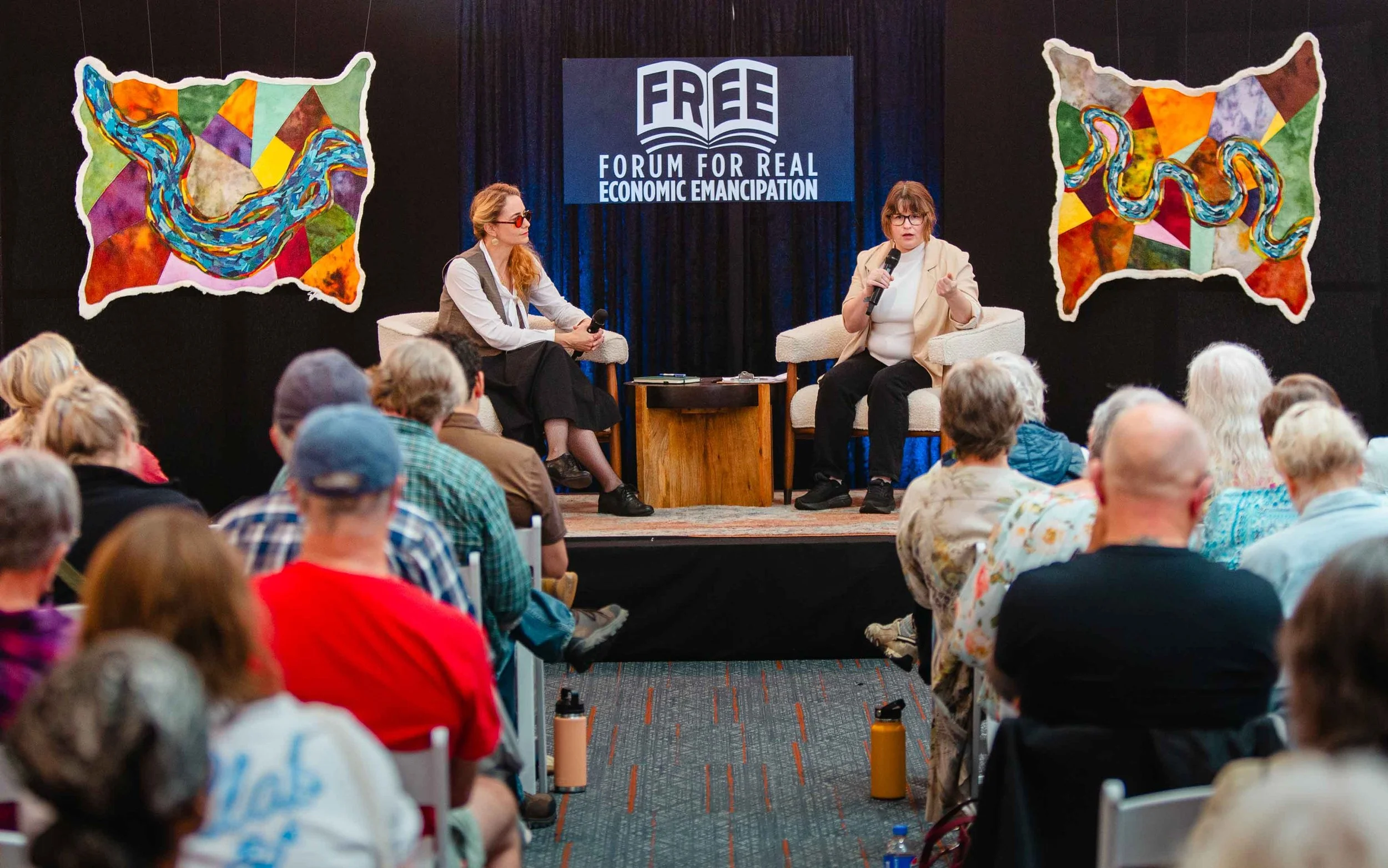
Why Your Vote Doesn't Change Anything
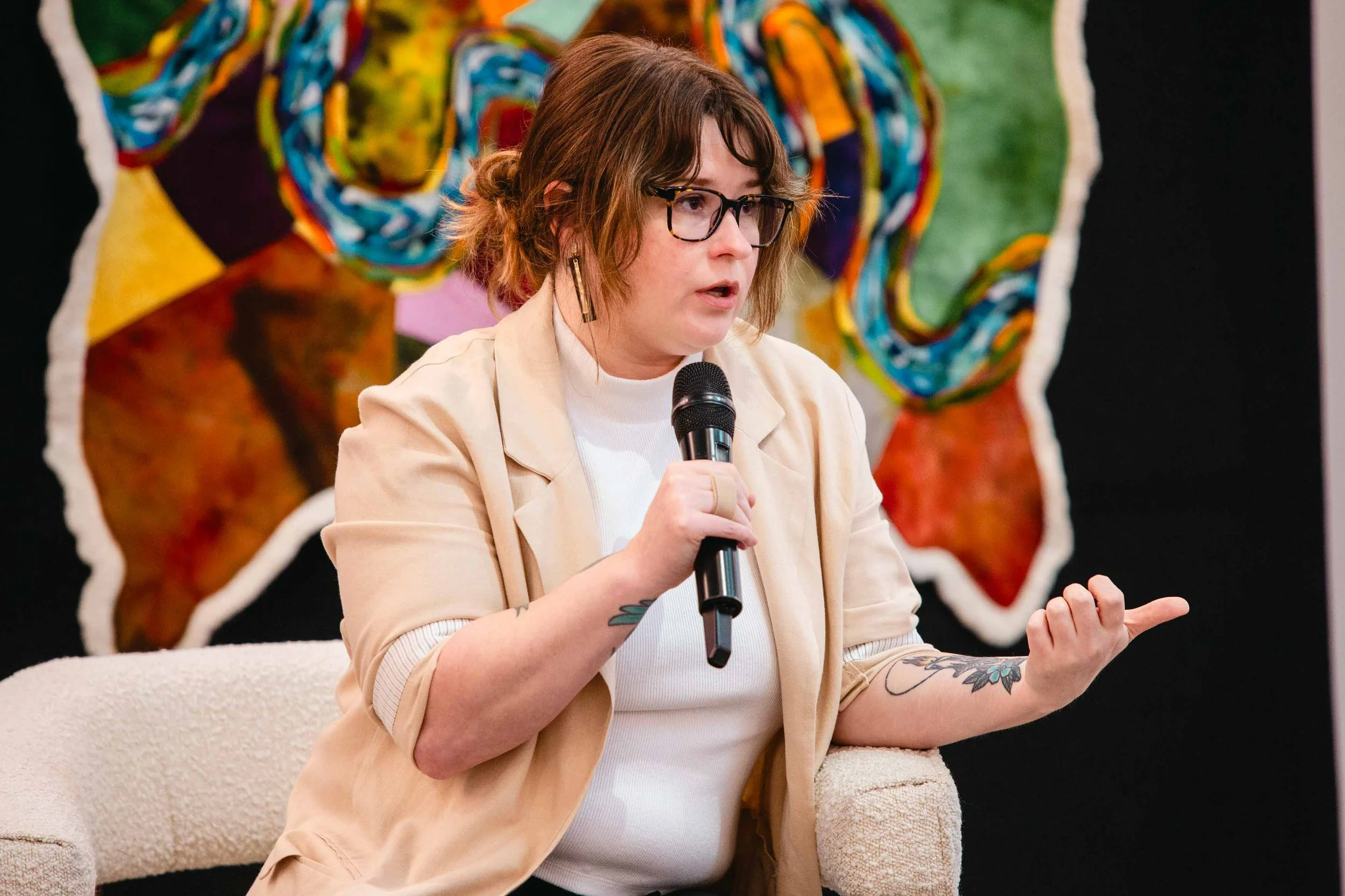
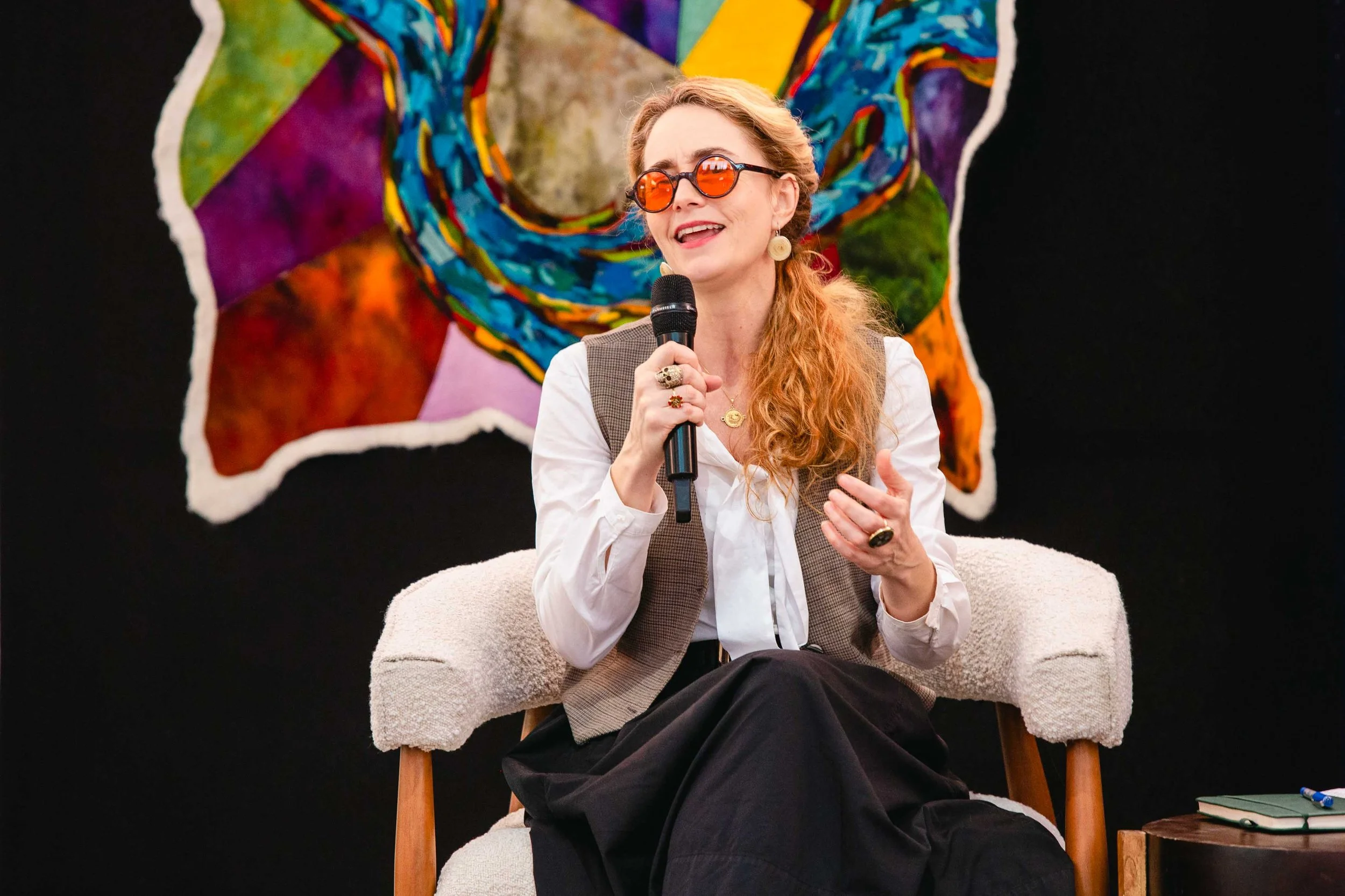
What if democracy was never meant to give you power — but to keep you from it? In this live FREE event, political theorist Camila Vergara and social ecologist Eleanor Finley expose how representative democracy was designed to protect property, not people — and what real democracy looks like when communities actually practice it.
From the feminist communes of Rojava to worker cooperatives in Mississippi to community-owned energy grids in Germany, this conversation maps out the alternatives that are already working — and how to bring them closer to home.
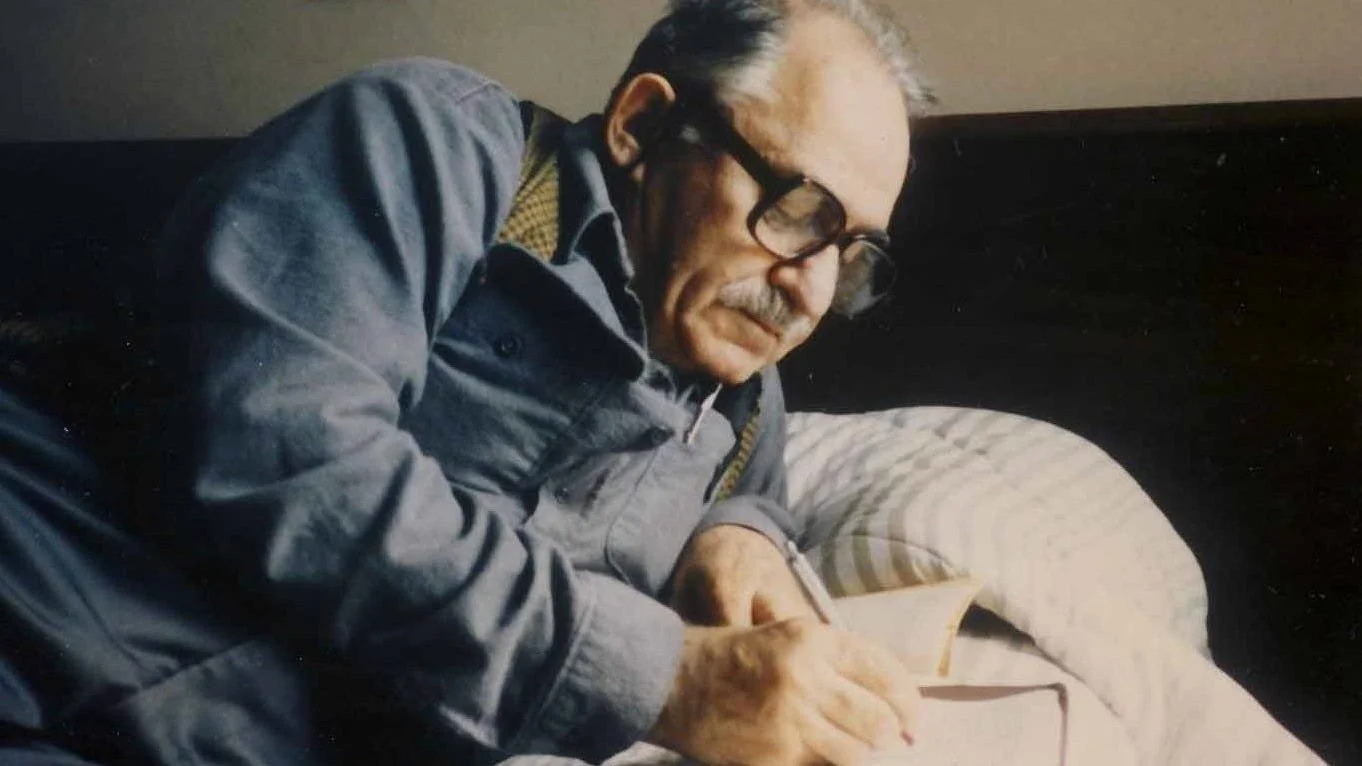
“Social ecology is based on the conviction that nearly all of our present ecological problems originate in deep-seated social problems. It follows, from this view, that these ecological problems cannot be understood, let alone solved, without a careful understanding of our existing society and the irrationalities that dominate it. [...E]conomic, ethnic, cultural, and gender conflicts, among many others, lie at the core of the most serious ecological dislocations we face today [...]”
― Murray Bookchin, Social Ecology and Communalism
“Social ecology” is a key concept in rethinking the relationship between humans and nature. The quote above is from the founder of social ecology, Murray Bookchin. His basic thesis is that “environmental problems originate from human social structural problems.” And that structural problem is hierarchy. But Bookchin isn’t saying that we want a structureless society! Instead, he is encouraging us to try to build a horizontal world in place of the hierarchical one that exists.
In nature, the wolf doesn’t hunt the deer because they hate them or because they need to subjugate the deer so they can exploit their labor. The wolf doesn’t need sophisticated propaganda to convince the deer to like him. He hunts the deer because that’s what he’s built to do! He has a purpose in the ecosystem, just like the deer does. This non-human nature, what Bookchin calls “first nature,” functions on diversity and necessity.
By contrast, the world of hierarchical power: states, corporations, lords and kings, is all arbitrarily constructed by humans. That’s why it requires constant subjugation and exploitation to maintain itself and constant propaganda to keep the subjects in line. Hierarchical society is arbitrary and based in domination. This world of hierarchy is what Bookchin calls “second nature.”
Our goal is not to move back to first nature, however. Our goal is to move toward what Bookchin calls “third nature,” which transcends first and second nature. To re-unite with natural systems not as superiors, but as equals.
The Commons
For thousands of years, the natural state of humanity has been to keep large tracts of land in common, so that anyone in society can utilize them as they need. Large swaths of forests and fields used to be held by no specific person, but were instead communal resources between the peasantry where they could hunt, farm, squat, and graze their livestock. However, this was taken away from us as capitalism expanded.
In the modern day, there are numerous movements to restore the commons. For example, movements like the Zapatistas in Chiapas, Mexico have done away with land ownership completely. Land is a common resource between the over 200,000 people in the region, which they all tend together and then share in the bounty.
Cooperation
To repair our relationship with nature, we must work cooperatively, not competitively. All things in nature serve a purpose in the system. They do not view themselves as superior or inferior. They merely carry out their function. The concept of structural hierarchy is a human invention and so its continuation is a human decision.
We must purposely create structures which will encourage more cooperative behaviors, such as workers’ cooperatives, consumer cooperatives, and buyers’ cooperatives. In these bodies, we mimic the symbiosis of natural systems, creating organic agreement among the people who are affected by our decisions and reaping the collective benefits.
Watch the Podcast
War, austerity, and a political class that offers no way out. What does an actual alternative look like — one that's already being built?