It’s Your Money,
You Decide.
Participatory Budgeting 101
With Mayor Monroe Nichols, Bob Lord and Matt Harder
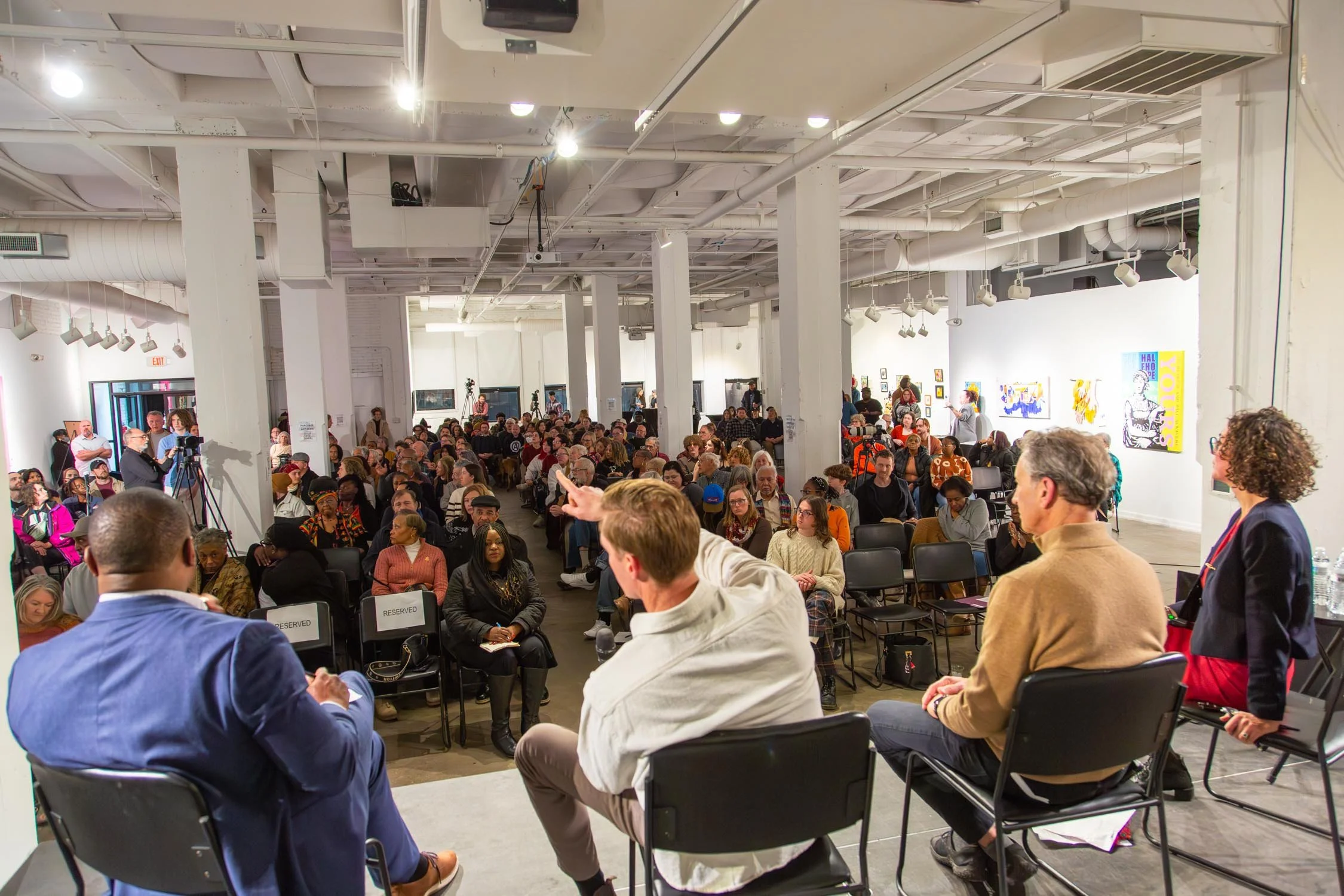
If you only have 60 seconds
1) Budgets are political. They decide who carries costs, who gets relief, whose neighborhood gets investment, whose needs get delayed, whose voices count.
2) Oklahoma - like other states, operates inside a regressive tax structure. Working people pay a higher share of their income, while wealth gets special treatment.
3) Participatory budgeting gives residents real authority over real dollars. Not a survey, not a suggestion box, a structured process with transparency and a vote.
4) TulsaDecides is our path into the work. A way to build real public decision making, step by step, with you in it.
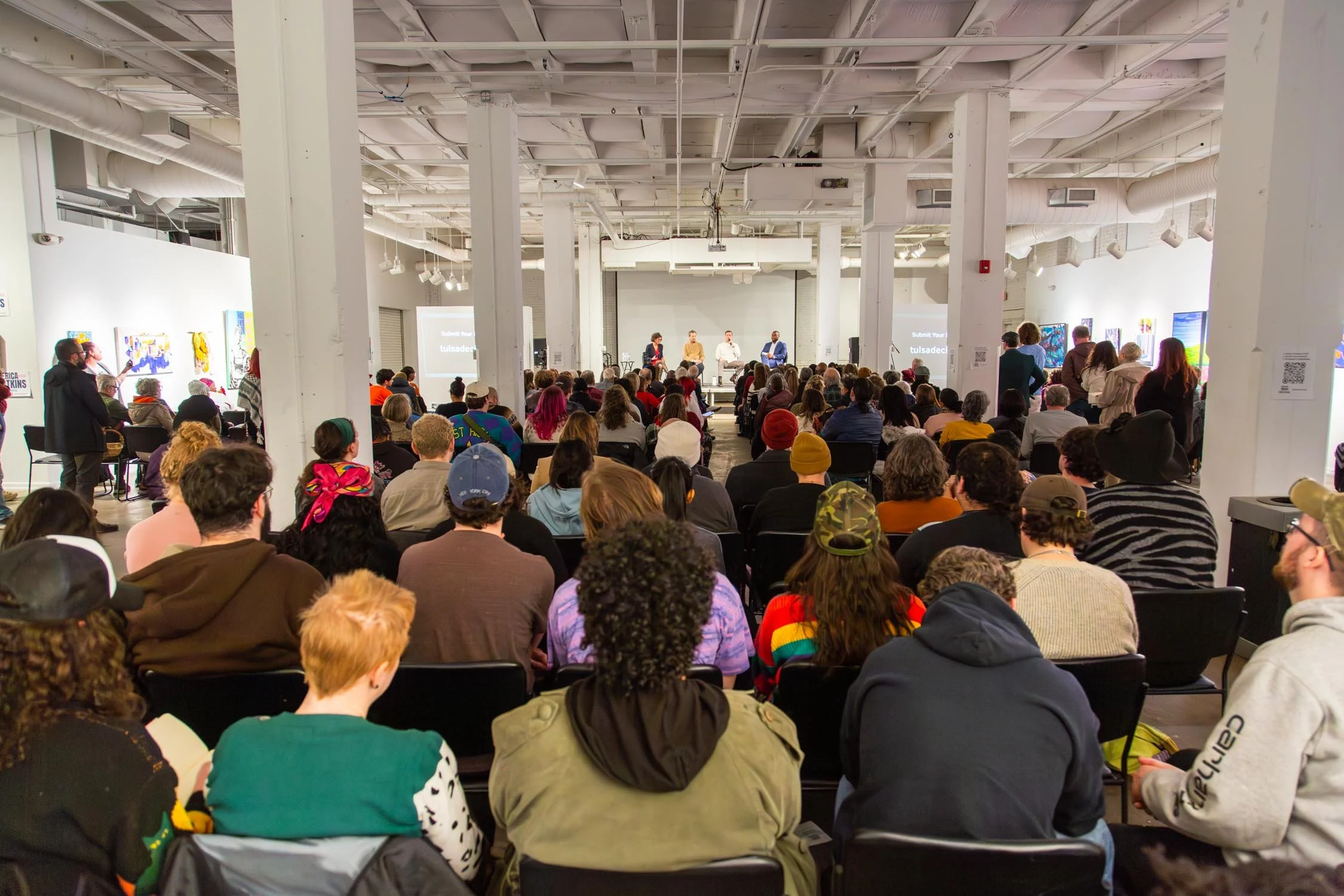
Submit an idea for TulsaDecides, takes about 2 minutes: TulsaDecides.org
This is your chance to help decide how Tulsa invests in itself.
Why this matters outside Tulsa, too
Revenue decides who pays.
Budgets decide who benefits.
Democracy means the public can speak in both places.
Tulsa is one city living inside shared constraints that show up across the country.
State tax systems that lean regressive
Cities pushed toward sales taxes and fees
Federal and state funding pressure that leaves local governments holding more responsibility
Residents asked to trust a process they rarely get to shape
Fairer revenue tools and participatory budgeting can be used in any city, any state.
That’s the big picture. Here’s what the speakers made simple and clear.
Progressive vs regressive taxes, in plain language
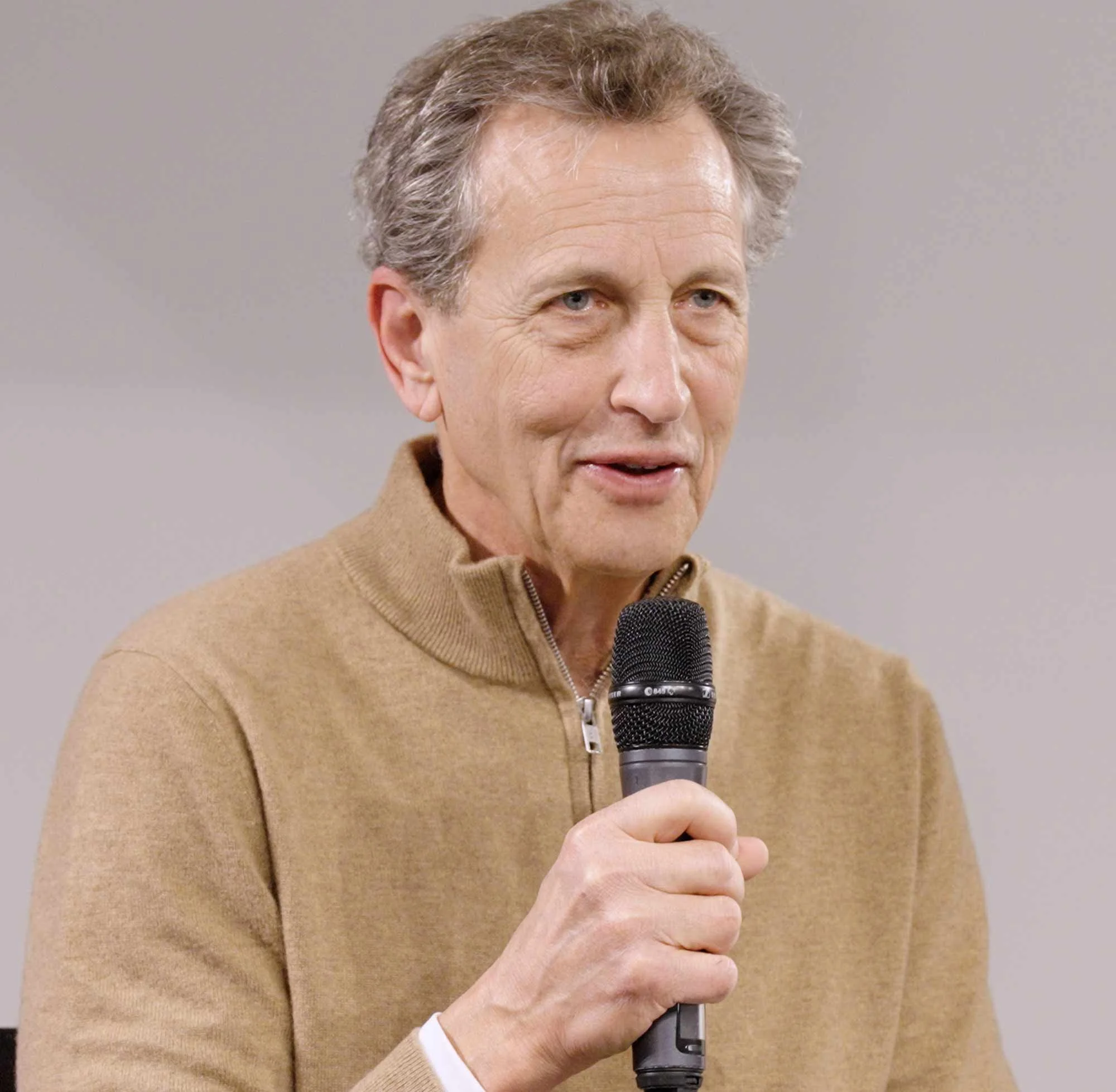
Bob Lord (Senior Vice President for Tax Policy at Patriotic Millionaires) opened with definitions that matter because they show up in everyday life.
Progressive taxes mean higher income people pay a higher share of their income.
Regressive taxes mean lower income people pay a higher share of their income.
Then he said something that stuck.
“Living expenses, if you think of them like a tax, they’re very regressive.”
Why living expenses hit working people harder
Because essentials take up a much larger share of the paycheck.
If you make $30,000, rent, utilities, groceries, transportation, childcare, all or almost all of your available income can go toward living expenses.
If you make $1,000,000, only a small slice needs to go toward essentials. You have room to save, invest, and absorb price spikes.
So when living expenses already function like a regressive “tax,” the tax system matters even more. A regressive tax system adds weight right where people have the least room to breathe.
Mayor Nichols, on how the rules lock things in
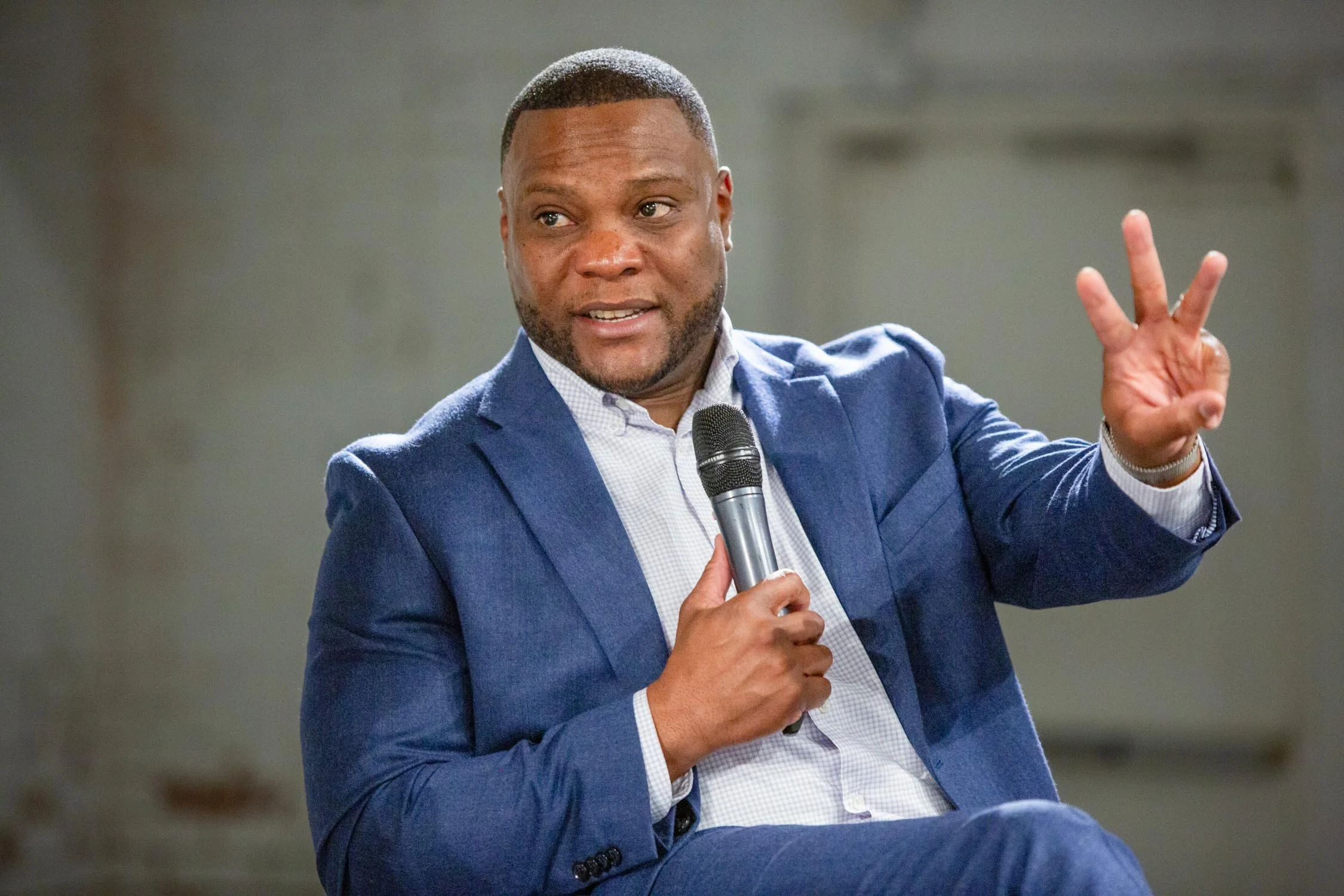
Tulsa Mayor Monroe Nichols named the structural trap, in plain language:
“I was in the state legislature for eight years…It is a simple majority to cut taxes, very easy to do. You have to have 75% to raise them, though.”
And he made a point about political power:
“It’s always going to be popular to cut taxes, and it’s always going to be most popular to cut taxes for folks who have a lobbying interest, who can afford to be represented at the Capitol…”
Who pays, who decides: building momentum for democratic budgeting
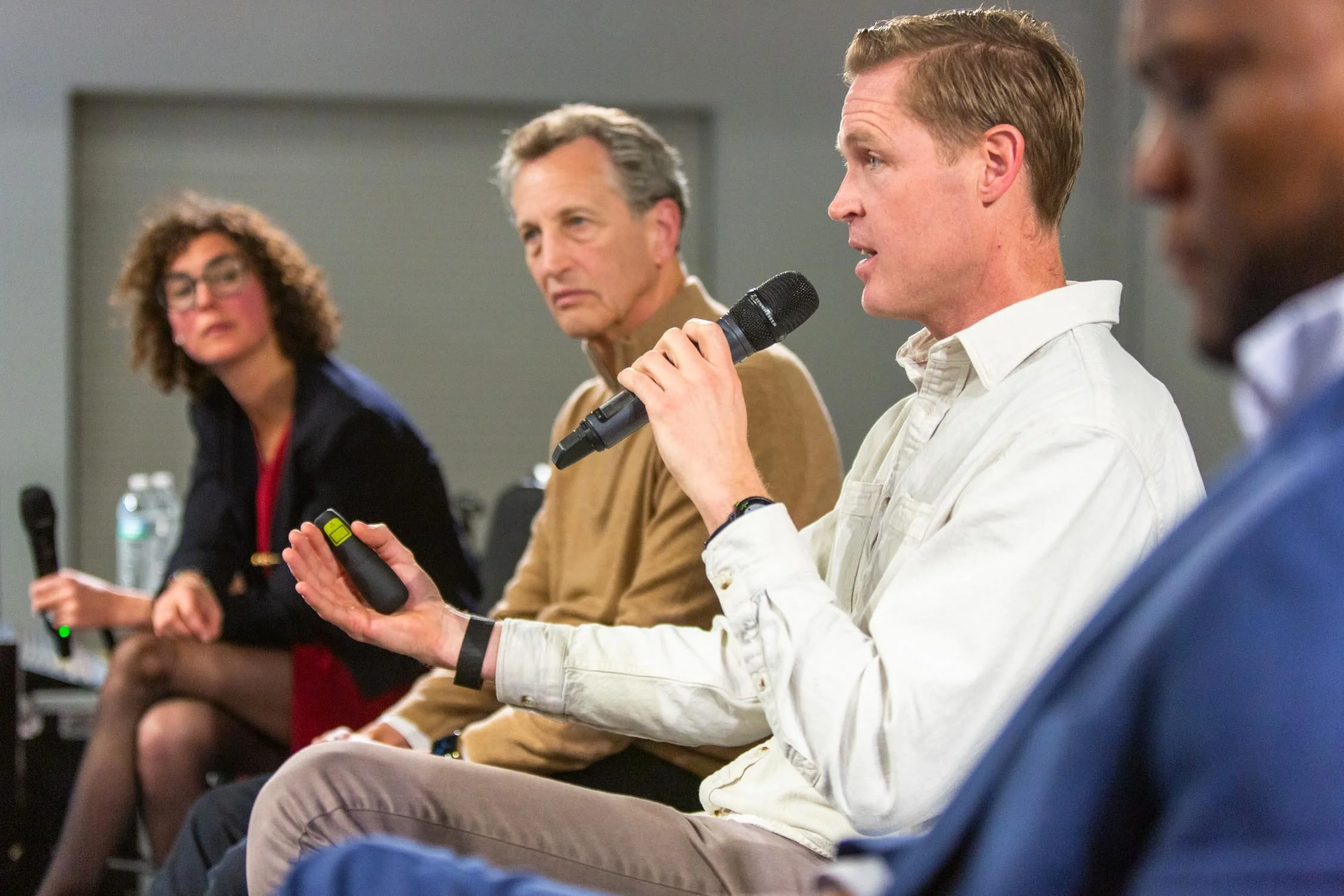
Matt Harder (founder of Civic Trust, a participatory budgeting organization working with cities including Denver) gave the clearest definition of participatory budgeting (PB):
“It gives residents real authority over a real piece of the budget to make real decisions.”
Here’s what that means in practice.
You submit an idea based on what you see and need
Resident volunteers work it into a real proposal with city staff
The community votes, and the winning projects get funded
Participatory budgeting turns budget talk into something you can actually touch.
The four phase PB cycle
A steering committee sets the rules, with intentional inclusion of people often left out
Idea collection opens to anyone who lives, works, or studies in the area
Ballot creation where resident volunteers work with city departments to make ideas feasible
The vote where the community decides what gets funded
Participatory budgeting, in real life
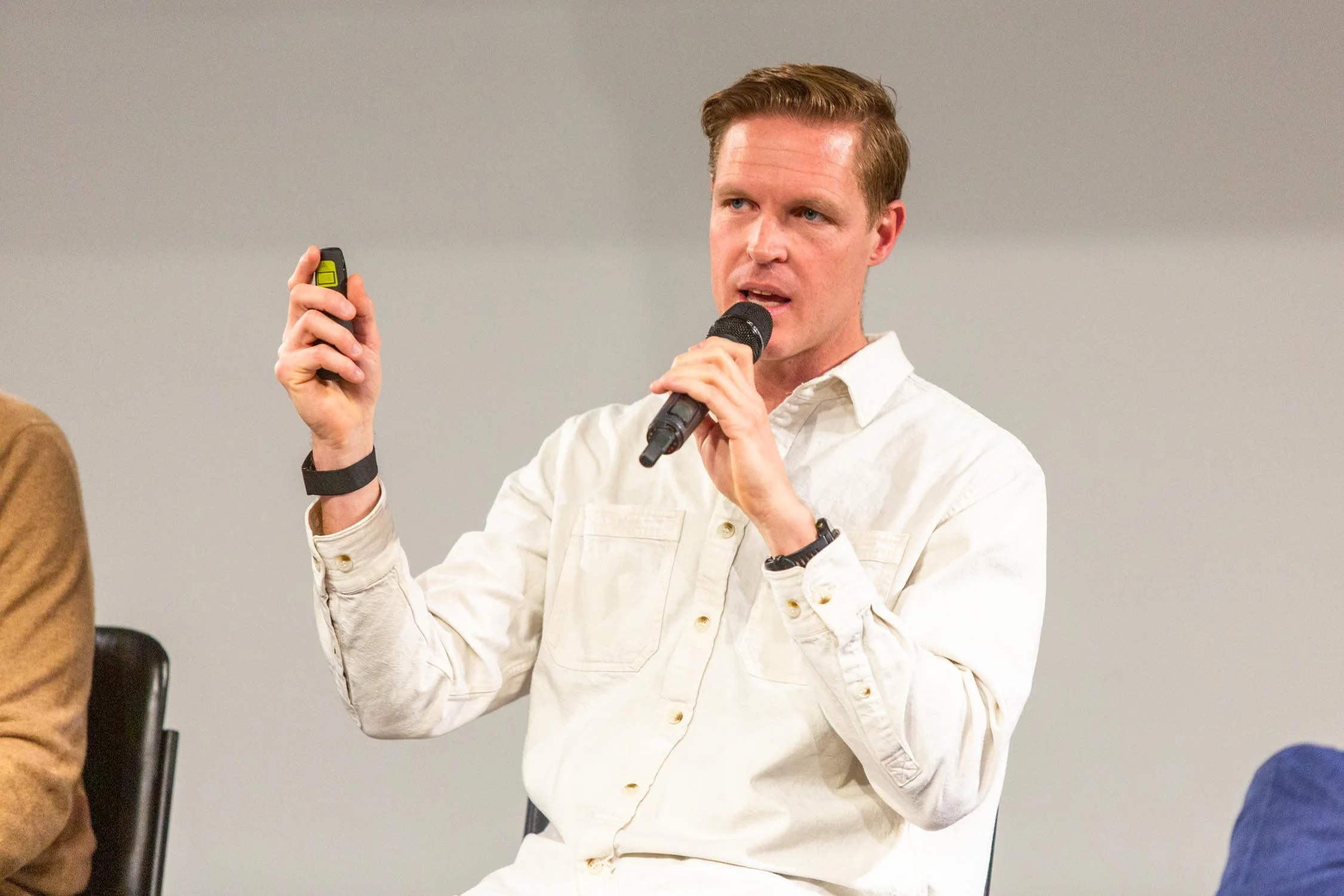
People often assume the public will propose chaotic projects. Matt said what happens is the opposite, communities choose practical investments, often things people can feel in their daily life.
Denver: The city set aside $1,000,000 for residents to direct. People submitted 380 ideas, then neighbors voted. The winning projects were common sense: a mobile farmers market for a food desert, heat relief for low income residents, traffic safety on a dangerous corridor, and hundreds of trees planted across 11 parks. Afterward, 97 to 99% of participants said they wanted the process expanded, and that they would do it again.
Vallejo, California: After bankruptcy, the city passed a 1% sales tax, with 30% of it decided through PB. Residents directed $3.2 million, and the program kept going for 10 years.
Atlanta: A $50,000 PB in a park drew in nonprofits who matched funds, turning it into $120,000 and 15 winning projects.
The pattern is consistent, people take it seriously, and participation grows when the process is real.
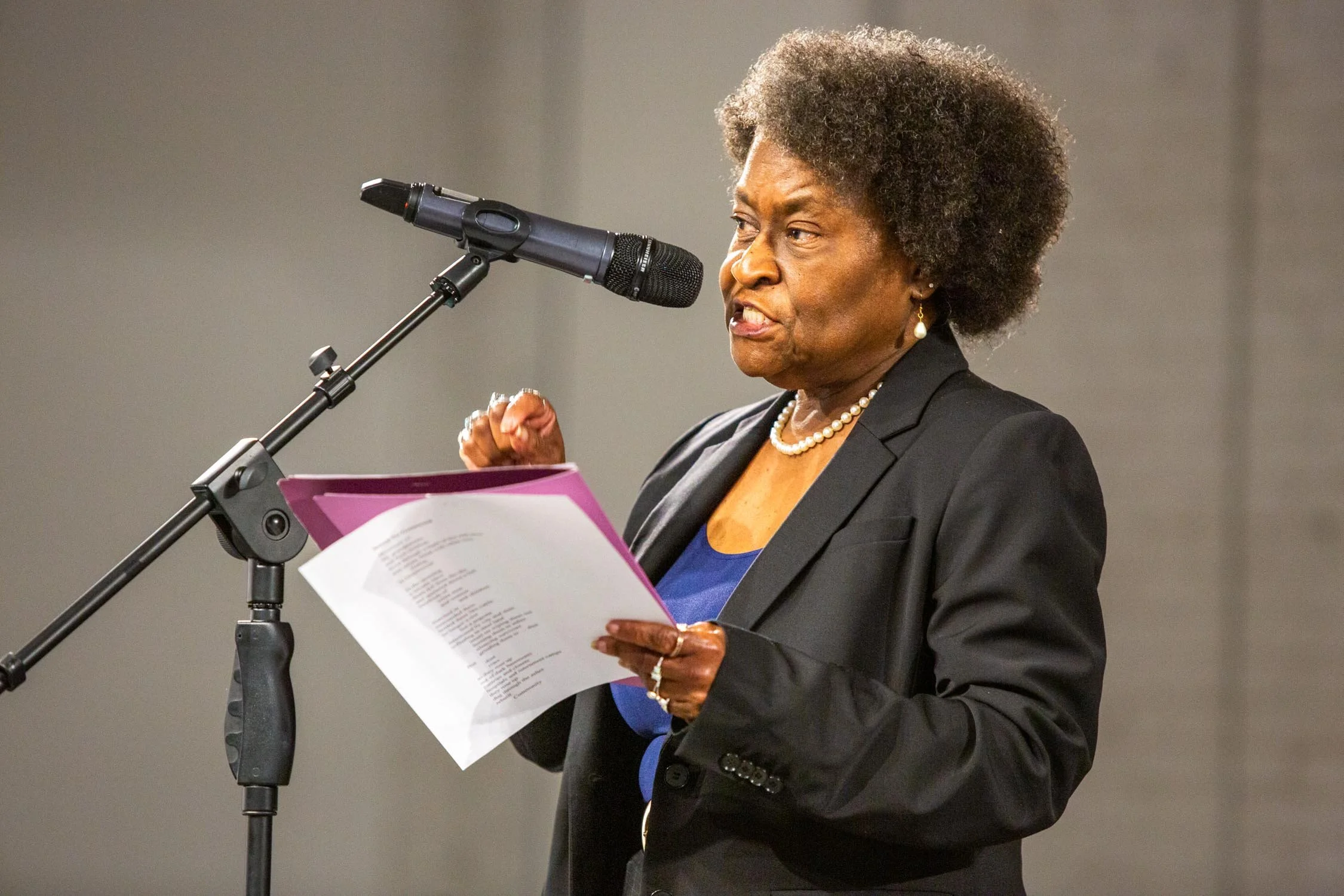
Poet Deborah J. Hunter
DEBORAH J. HUNTER is a Tulsa, Oklahoma poet, spoken word artist, playwright, essayist, actor, teaching artist, workshop facilitator and social justice activist. She received a 2020 Greenwood Art Project (Bloomberg) grant to produce her original play, Porches, set during the years following the 1921 Tulsa Race Massacre and staged during the Centennial remembrance. She was presented with a Woman of the Year Pinnacle Award in 2018, the Jingle Feldman Artist Award in 2000, and was a 2013 Oklahoma Poet Laureate finalist. Her poetry has been published in literary journals, magazines, anthologies and other printed media. A staunch and longtime advocate and educator on issues pertaining to mental illness and homelessness, Hunter’s chapter, “Violence and the Homeless Population: Perpetrators or Victims?” appears in the academic series, Violence and Abuse in Society: Understanding a Global Crisis.