
Who Controls the Food?
Food is more abundant than ever – but between rising prices, food insecurity, and a crisis of food affordability, we’re getting sicker and hungrier at the same time.
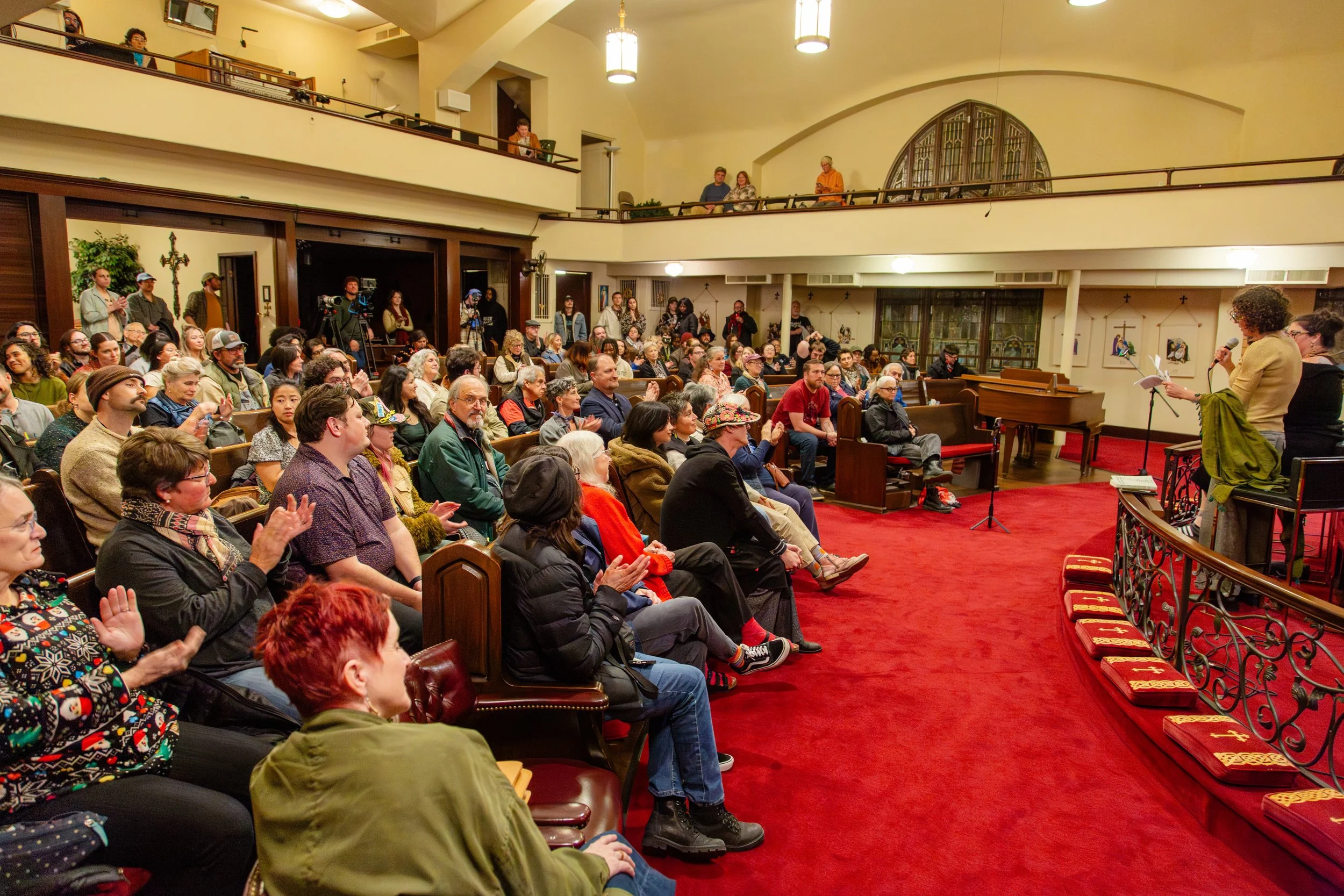
In this live FREE (Forum for Real Economic Emancipation) event, economist Clara Mattei, writer and food-systems scholar Raj Patel (Stuffed and Starved), Cherokee chef and organizer Nico Albert Williams, and Tulsa food justice leader Katie Plokhocky unpack how capitalism turns our food system against us – manufacturing hunger, sickness, food deserts, and environmental collapse instead of nourishment.
They trace how the modern food system was built to maximize profit, not health: from plantations and empire to ultra-processed food, diabetes, food deserts, and today’s food insecurity and affordability crisis. Along the way they connect hunger, obesity, climate breakdown, austerity, incarceration, and food sovereignty into one story: a political economy of life versus a political economy of death.
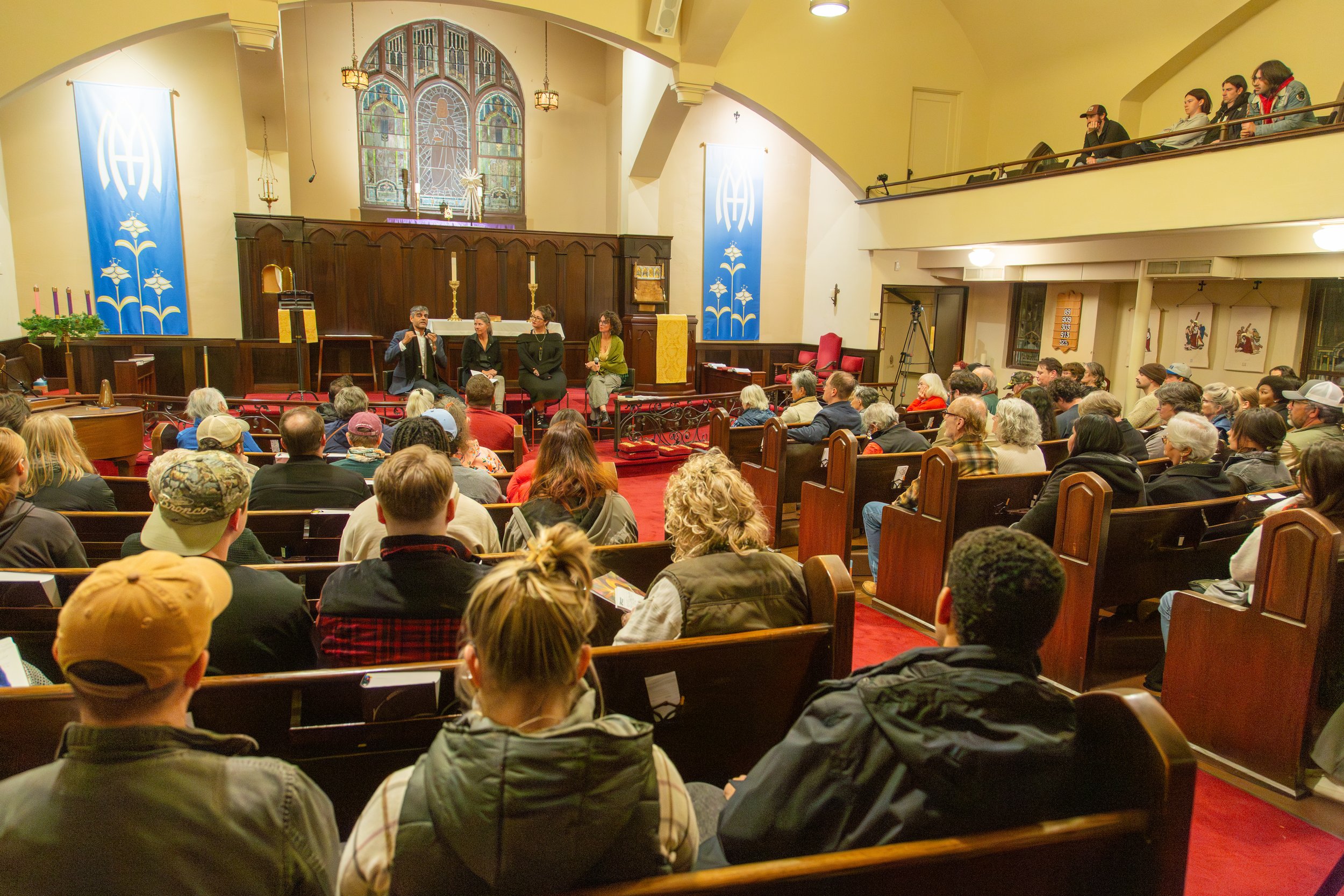
More Food, More Hunger:
How Capitalism Turned Food Against Us
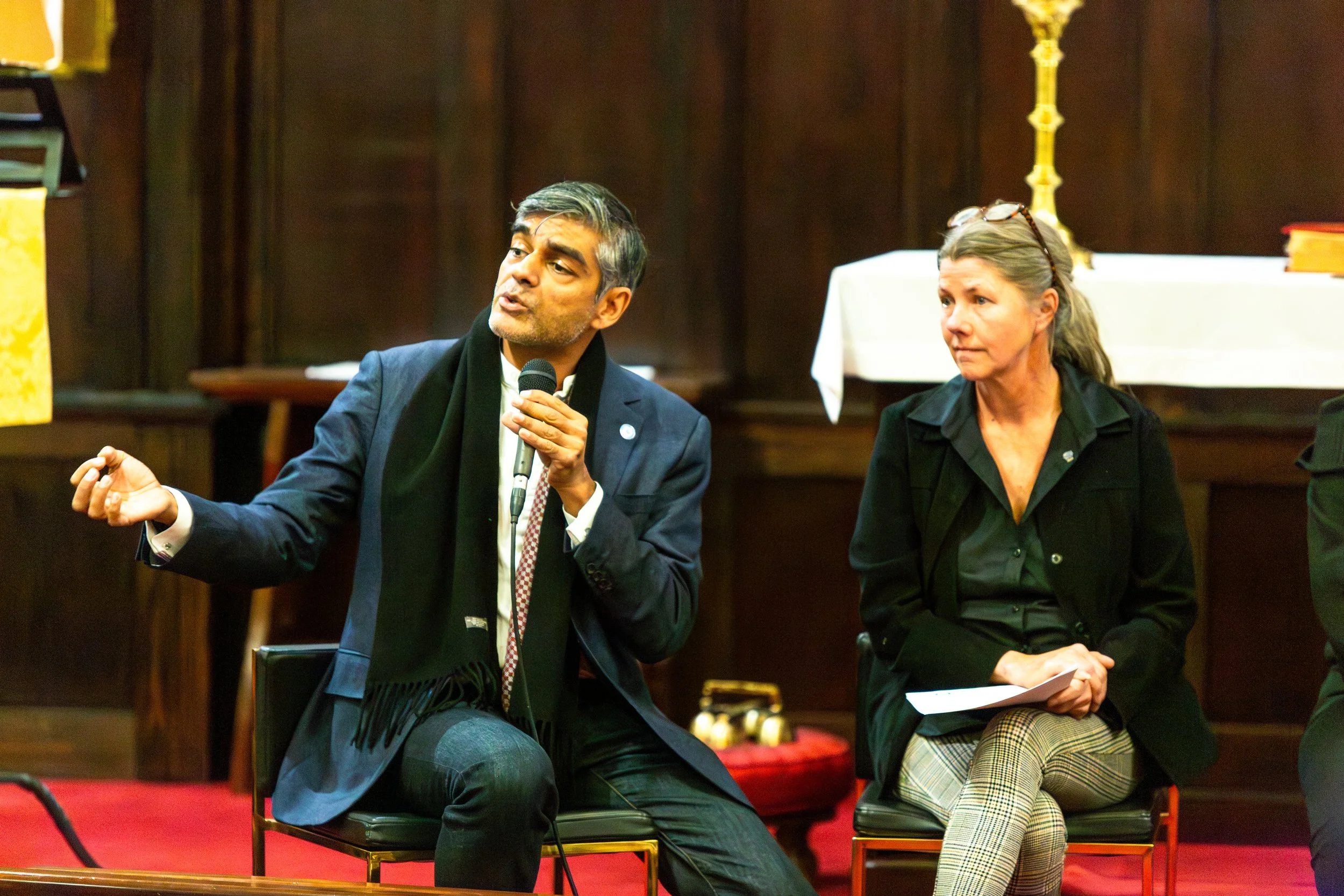
“Stuffed and starved” is not a paradox. It’s the business model.
Raj described the food system as an hourglass: millions of farmers at the top, billions of eaters at the bottom, and in the narrow middle a tiny handful of corporations controlling processing, shipping, slaughterhouses, supermarkets, and global trade.
Their rule is simple: buy inputs cheap, sell food costly. That means:
Cheap labor (including prison labor and poverty-wage food work)
Cheap land (through colonization and dispossession)
Cheap food (ultra-processed, addictive, and profitable)
“This isn’t capitalism failing. It’s capitalism working exactly as designed.”
“You can be food secure in prison.”
Food security just means food reaches you. Food sovereignty asks a deeper question: Who controls land, infrastructure, and prices? Do the people who grow and eat the food have real power to shape their own food systems?
“If you want everyone to eat, you are a revolutionary. Not because you love revolution, but because you love zero hunger.
Under capitalism, supply and demand always leaves some people unable to afford food.”
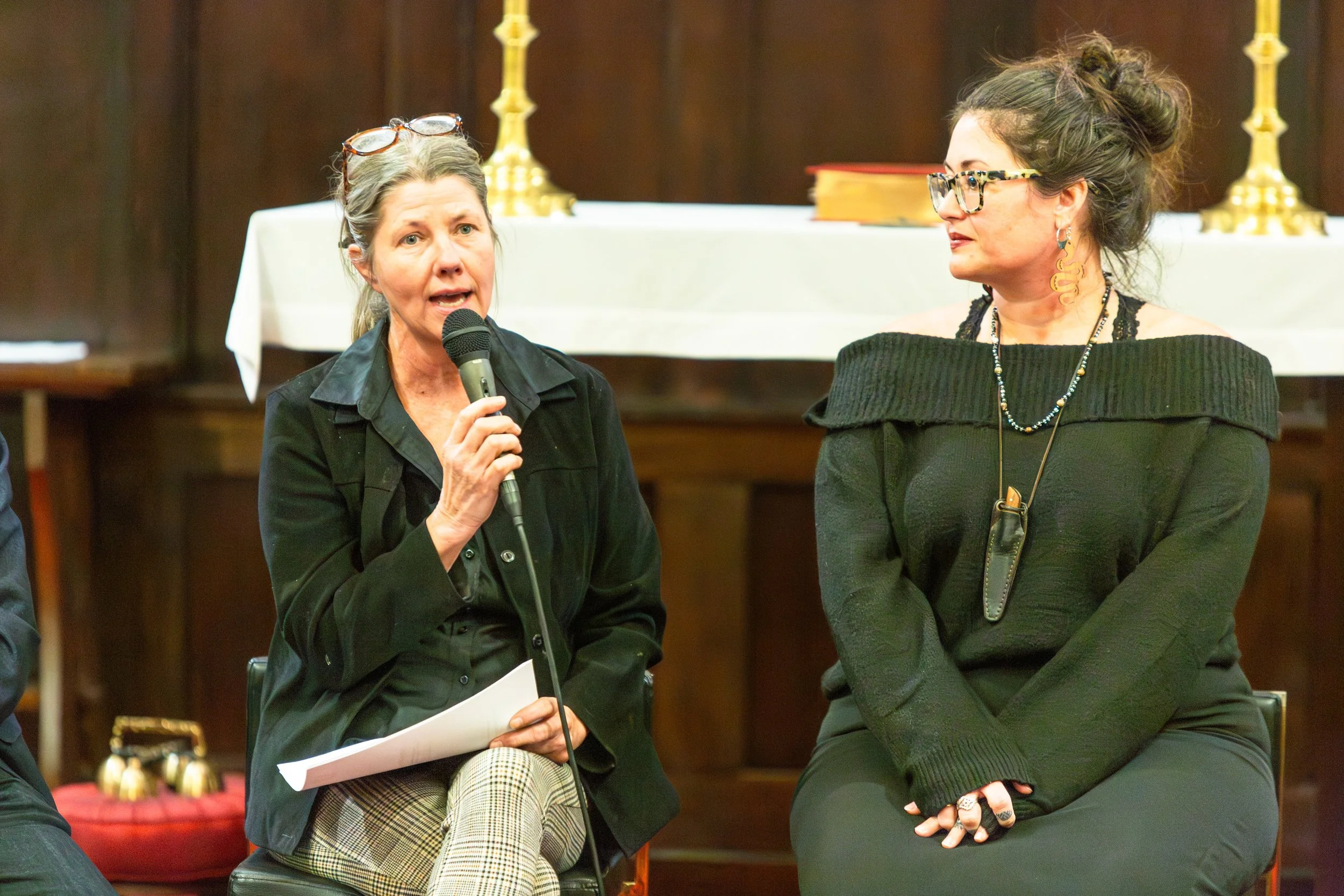
“When Your Neighborhood
Owns the Store”
Katie Plokhocky, co-founder and director of RG Foods, walked us through 18 years of wrestling with our local food system from the inside:
How independent groceries are shut out of wholesale distribution by minimum orders they can never meet.
How North Tulsa has been deliberately starved of fresh food, to the point where one neighbor told her it’s “easier to find a gun than an apple”.
Even “healthy” charity systems are structured to protect corporate profits of big food monopolies, not communities.
Instead of giving up, Katie and her team started building a parallel infrastructure:
A mobile grocery in a converted horse trailer
A farm in North Tulsa when they couldn’t source affordable fresh produce
A growing network of micro-stores (like The Grocery Box) that prioritize local farmers, SNAP incentives, and living wages
A plan to franchise the model so neighborhood residents can own and run their own stores, not another grocery giant
It’s a quiet, patient form of revolution: changing the system by changing who owns the store, who gets hired, and who gets to decide what “food access” means.
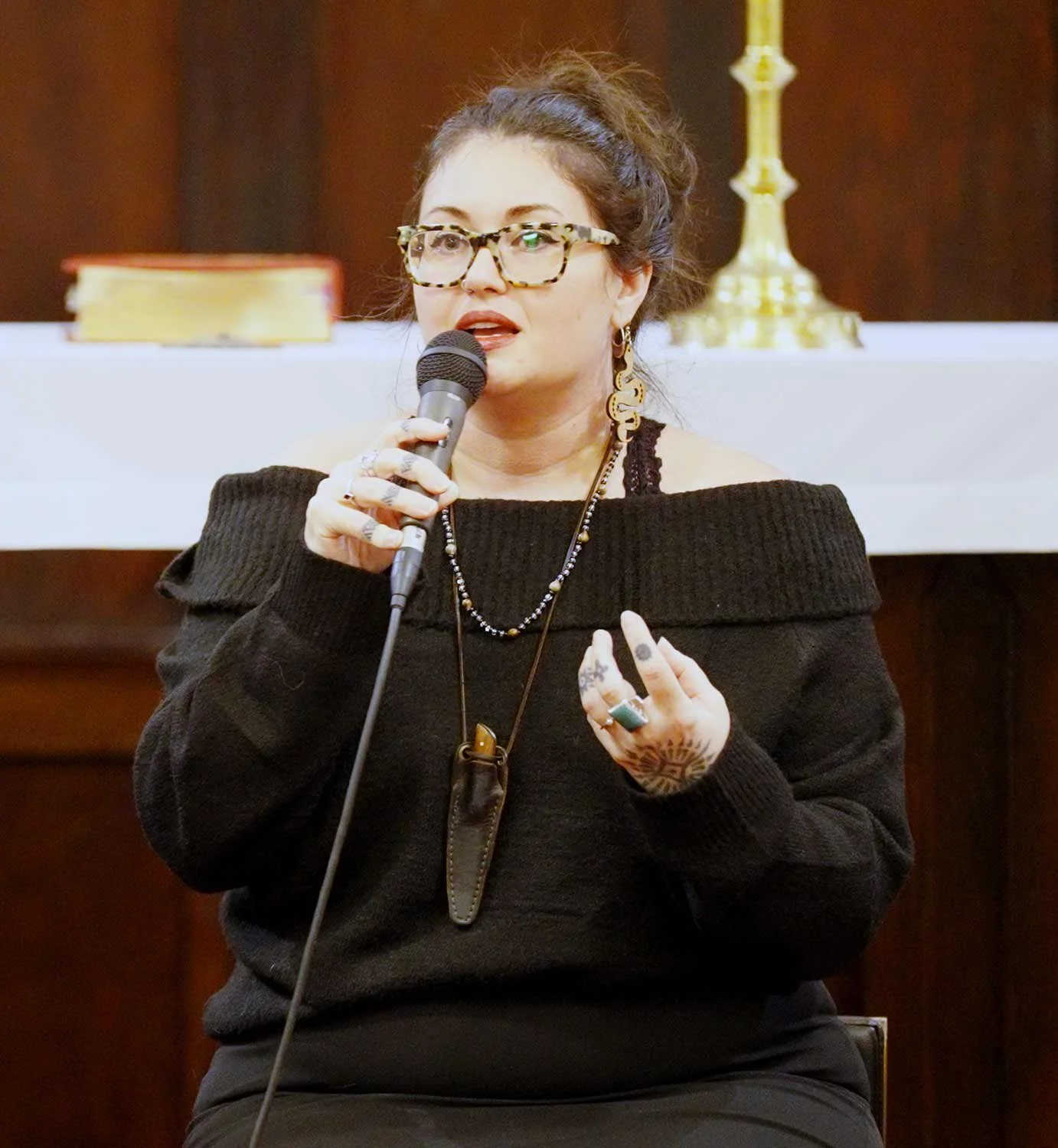
“We are not owed anything by the land.”
Chef Nico Albert Williams (Cherokee Nation, founder of Burning Cedar Sovereign Wellness) reminded us:
“We’re not just feeding ourselves, we’re making decisions for the seven generations after us. Our job is to become the kind of ancestors our great-great-grandchildren deserve.”
For thousands of years, this land held sustainable, relational food systems without over-harvesting or extraction.
In that worldview, plants and animals are relatives, not resources. When one gives its life to feed us, that gift comes with the responsibility to care for that being, the land, and the generations who will come after us.
Capitalism flips this: it teaches us that everything is replaceable, extractable, and owed to us. Nico invited us back into a relationship of reciprocity, not entitlement; taking only what we need, and giving back in turn.
What we’re carrying forward
This night taught us a lot about how we want FREE to keep growing.
Pair analysis with concrete alternatives.
It matters that we name capitalism, monopoly, and empire. It matters just as much that we lift up projects like Burning Cedar and RG Foods, which prove that other ways of feeding each other already exist.Our events are organizing spaces, not just talks.
The energy in the room was about more than learning. Neighbors met neighbors, people signed up for neighborhood food action, and conversations started that will keep unfolding in living rooms, kitchens, and backyards.Lean into joy as a political tool.
Raj said it plainly: food politics can and must be joyful. The piano, the laughter, the shared meal, these aren’t extras. They’re rocket fuel for long-term struggle.