
Punishment & Power:
Mass Incarceration and the Fight for Freedom
America didn’t stumble into mass incarceration: it starved security (housing, healthcare, income support, childcare, mental health care) and funded punishment (policing, surveillance, prosecution, long sentences) to keep people insecure, compliant, and controllable — and to protect wealth & power. In the United States, poverty, trauma, and even basic survival are treated as crimes and the response our government funds is punishment, not care.
This live forum brings together economist John Clegg, organizer aurelius miles francisco, and Lacreshia Jackson a mother who survived incarceration to explain how that happened, who benefits, and what real safety could look like instead.
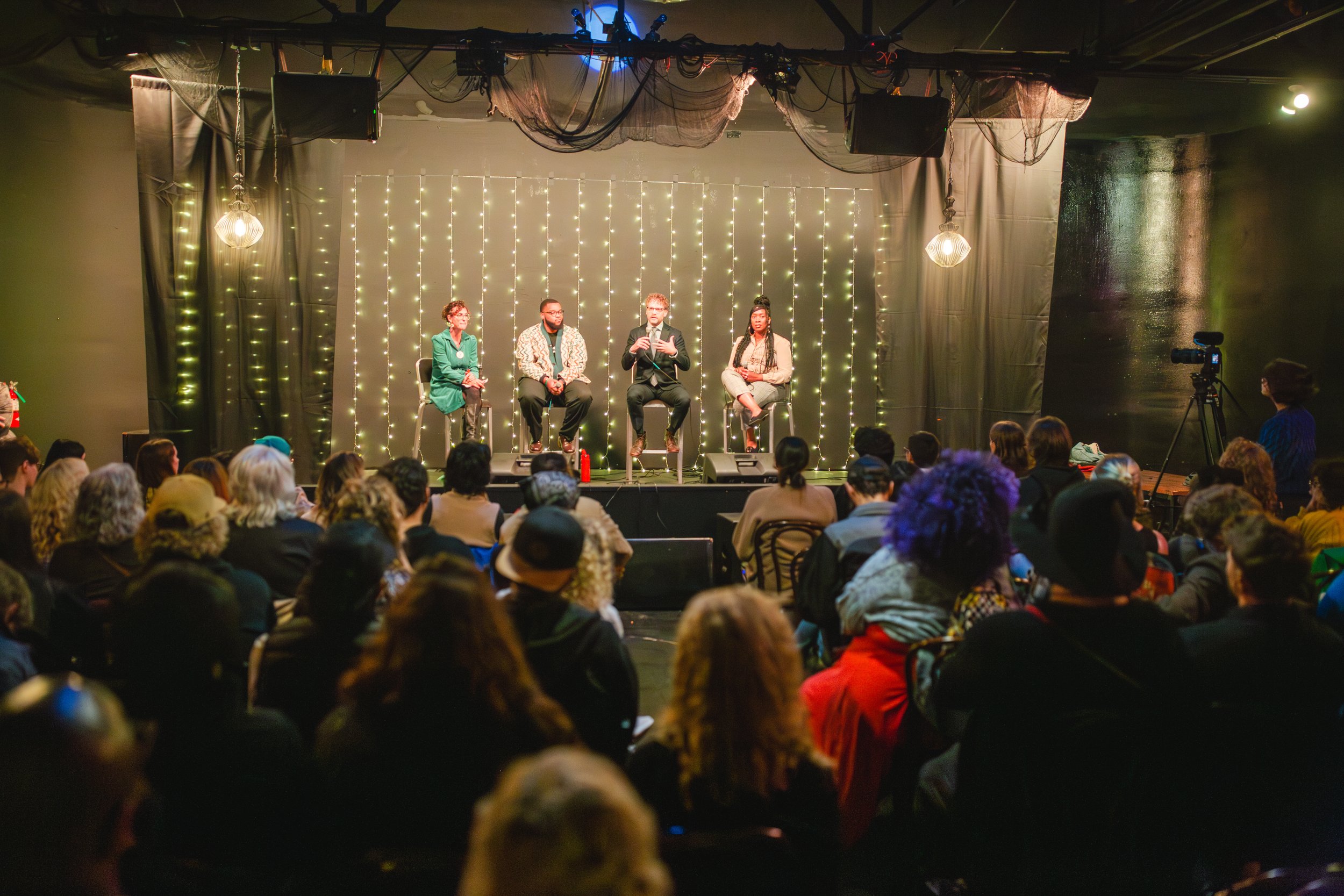
Mass Incarceration:
What You’re Not Supposed to Know
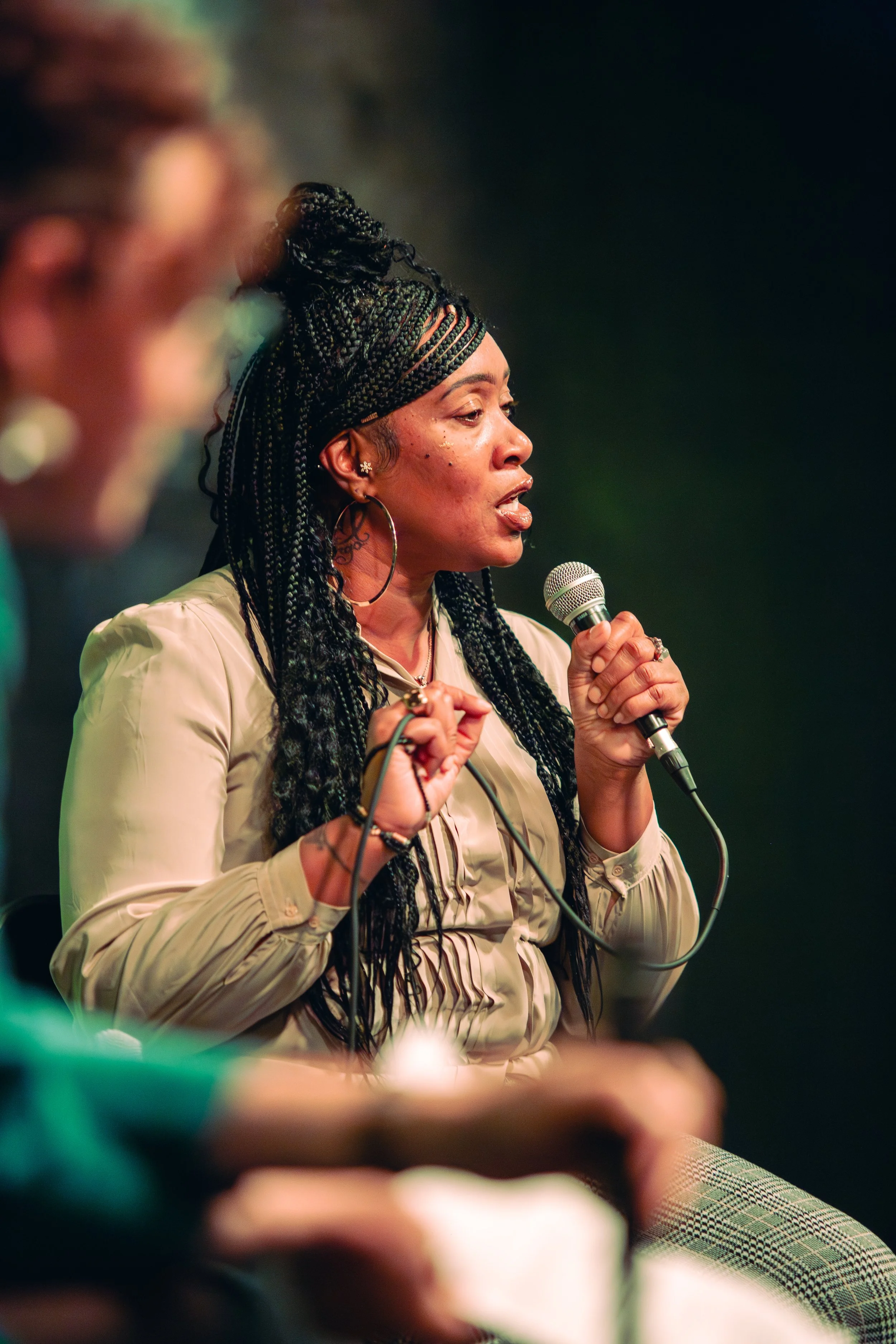
On her 34th birthday, all ten of her children were taken. She turned herself in expecting probation and instead served years in prison.
From inside, she was pressured to surrender her parental rights. There was no meaningful counseling. No real support.
“They said they were protecting my children. But they destroyed my family.” — LaCreshia Jackson
When she finally came home in March 2020, just days after COVID lockdowns started, “freedom” was not freedom. She had a felony record. Finding housing was nearly impossible. Getting work was a fight. Fines and costs followed her. Reunifying with family was not simple. The system had already done its damage.
And still, she rebuilt.
Today, Lacreshia works in housing coordination and leads lived experience advisory boards in Tulsa, pushing for reentry support, housing access, and actual care for people coming home.
Her advice was clear and simple:
Stop pretending this is about “bad choices.”
Start listening to the people who’ve actually survived it.
Stop dehumanizing us so you can justify taking our kids, our homes, and our years.
Don’t just hear me. Listen to understand.
When Care Becomes Control
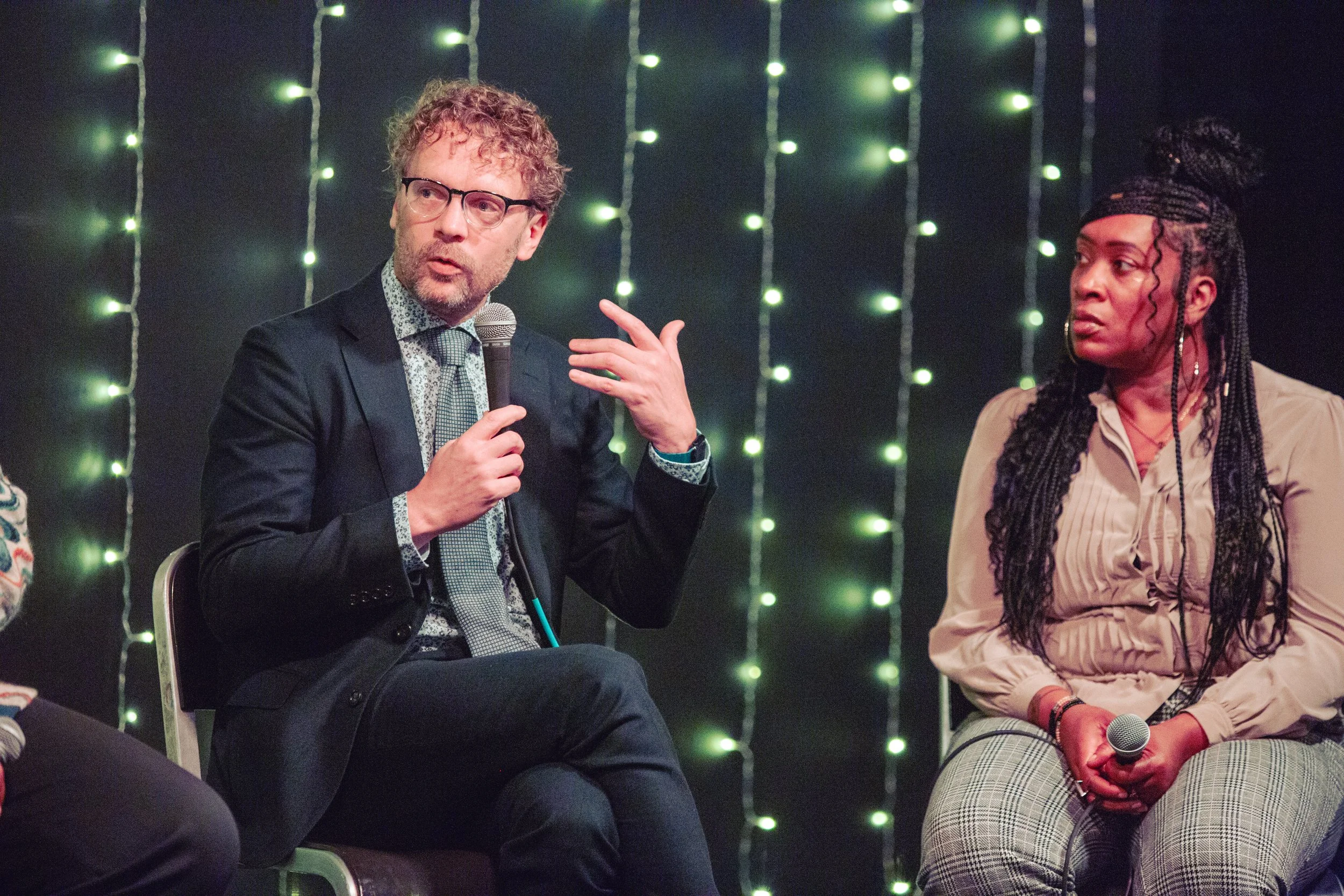
Professor John Clegg economic historian at UMass Amherst and author of the forthcoming From Plantation to Prison, walked us through the long arc of U.S. punishment. He contended that the indignities of punishment in capitalist societies are rooted not in malevolent actors, punitive norms, or flawed governance, but in the fundamental structure of capitalism itself.
Decades of social policy neglect have fostered the violence and punitive practices defining the United States today. Instead of guaranteeing housing, childcare, or health care, the state poured money into policing, surveillance, prosecution, and harsh sentencing. Clegg called this: austerity by force.
He argued that mass incarceration works as a way to control and contain the poor and the working class without touching the wealth of the rich.
The American state was built by slaveholders and capitalists to protect property and block redistribution.
The working class in the U.S. has been racially divided on purpose, which has historically made it harder to win strong social programs.
Instead of taxing wealth to meet needs, the state uses punishment to manage the fallout of poverty and crime.
In other words: If you keep people poor, precarious, and criminalized, you keep them easier to control, and you never have to redistribute power or money.
Punishment as a Budget Strategy
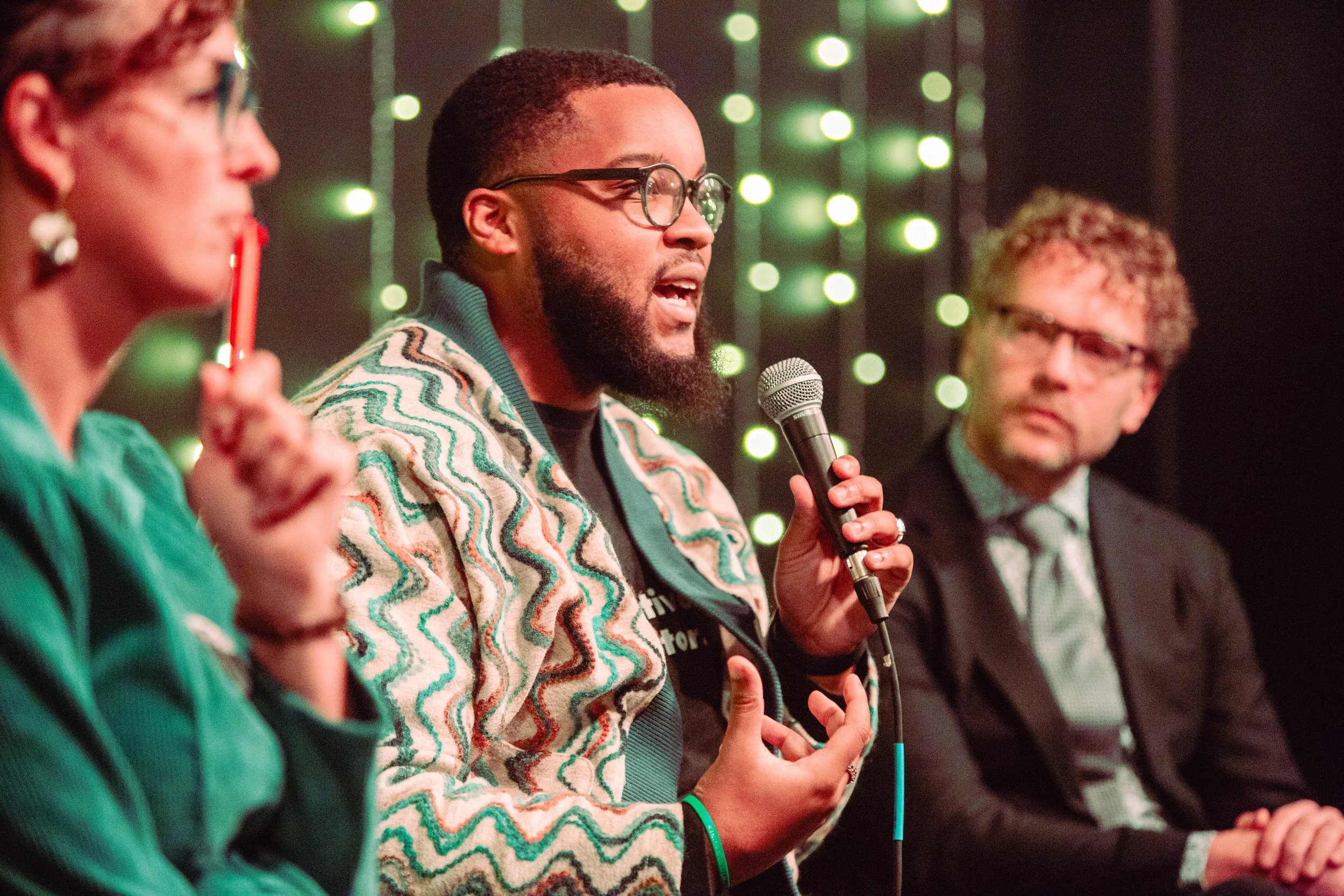
aurelius miles francisco, abolitionist organizer and director of the Foundation for Liberating Minds, brought that system down to the ground level.
We are currently seeing funding for food, housing, and healthcare access get cut, while funding for policing, surveillance, and incarceration keeps flowing.
“When the state refuses to feed you, house you, or care for you and then criminalizes whatever you do to survive, it’s not just punishing you. It’s managing you. It’s making sure the people at the bottom stay tired, isolated, and less able to resist.”
But Aurelius didn’t stop at critique. He offered an alternative already being practiced in Oklahoma City through Foundation for Liberating Minds.
Transformative justice begins when harm happens:
The person harmed, the person who caused harm, and their support networks come together in a facilitated process.
They build an accountability plan centered on repair, safety, healing, changed behavior, not revenge.
The responsible person is not “let off.” They commit to real, specific work over time.
“Accountability isn’t throwing people away. Accountability is staying. It’s changing.”
This matters because it proves what we’re told is impossible: you can address harm without incarceration and the story that “we need prison” starts breaking.
Control Disguised as Safety
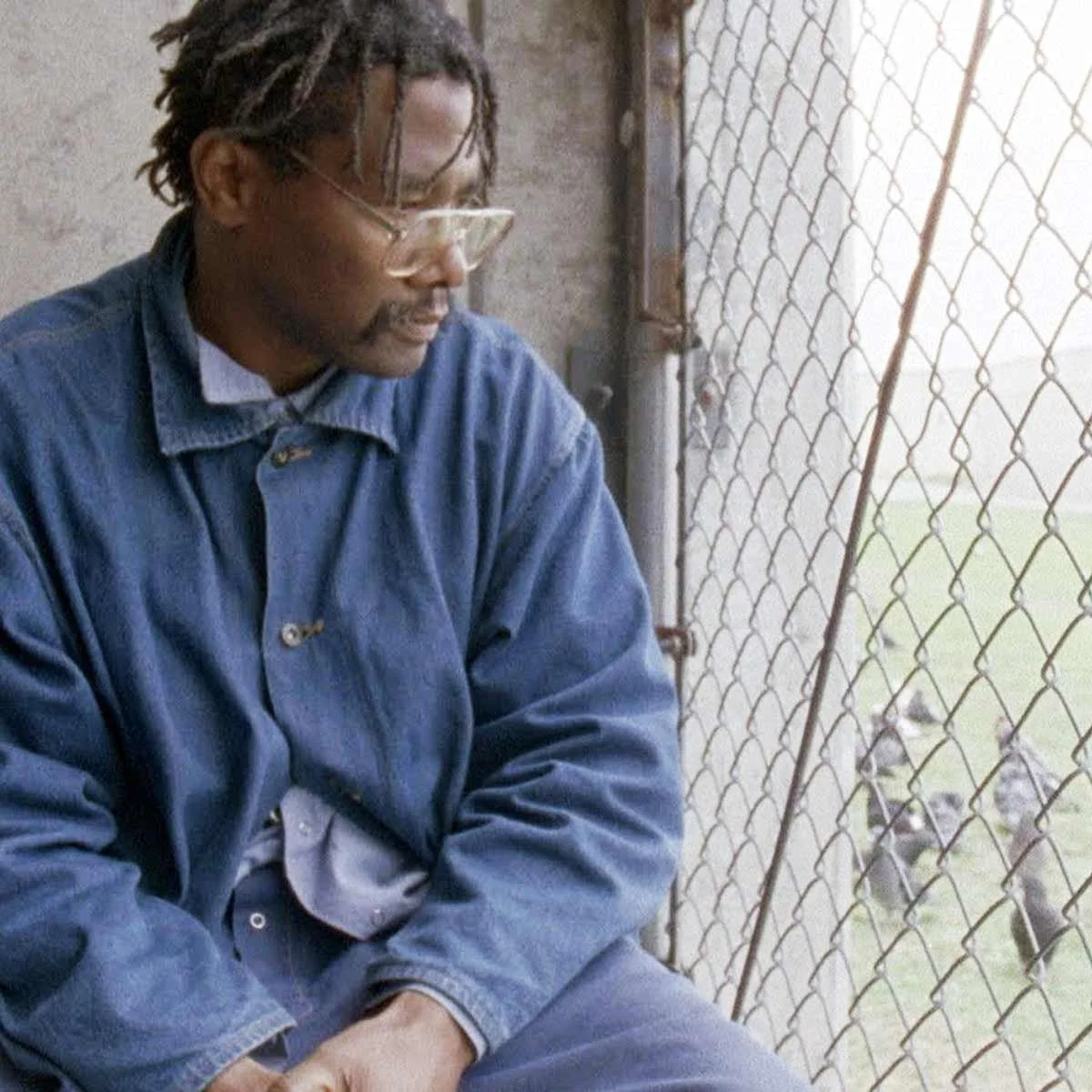
Photo: Albin Biblom
Stanley Russell "Spoon" Jackson is an acclaimed American poet, playwright, and memoirist who has been incarcerated in California since 1977. Rather than letting the walls define him, Spoon discovered his creative voice through poetry workshops at San Quentin in the 1980s, eventually gaining international recognition for his role in the historic prison production of Samuel Beckett’s Waiting for Godot.
A central figure in the "Arts in Corrections" movement, Spoon’s work explores the themes of freedom, human connection, and the resilience of the spirit. His poetry has inspired award-winning documentaries like At Night I Fly and has been set to music by artists ranging from Swedish orchestral composers to American folk singer Ani DiFranco.
Listen below to a special recording of Spoon Jackson reciting his work via telephone, continuing his lifelong mission to "fly" beyond the fences through the power of the spoken word.